Training & Seminar Program: "Anti-Corruption Guidelines in the Organization" (Onsite & Hybrid)
Rationale and Background
Sustainable business growth relies fundamentally on good corporate governance, corporate integrity, and ethical business practices. In the modern business environment, fraudulent activities manifest in diverse forms and pose severe threats to organizations—ranging from conflicts of interest and insider trading to high-risk malpractices within the procurement process. Consequently, establishing clear policies, preventive measures, and codes of conduct is imperative for all personnel.
This training program is designed to raise awareness and equip personnel across all levels with comprehensive knowledge regarding fraud schemes, relevant laws, statutory penalties, and proper operational guidelines. Through practical learning derived from real-world case studies, the program aims to foster a transparent, verifiable, and accountable corporate culture in a tangible manner.
Program Objectives
- To reinforce employees' awareness of the critical importance of good corporate governance, corporate ethics, and a resolute stance against corruption.
- To enhance employees' knowledge and understanding of various fraud typologies, conflict-of-interest prevention, and insider information safeguards.
- To enable employees to effectively translate anti-corruption policies and preventive measures into daily operational practices, with a specific focus on transparency within procurement processes.
- To inform personnel of relevant laws, statutory penalties, as well as reporting channels and whistleblower mechanisms for reporting suspected fraud or organizational risks.
Seminar Topics
- The Importance of Good Corporate Governance, Integrity, Ethics, and Anti-Corruption Measures
- Fraud Typologies, Impacts, and Relevant Case Studies
- Prevention of Insider Information Misuse and Conflict of Interest
- Corporate Code of Conduct and Mandatory Employee Guidelines
- Formulation of Anti-Corruption Policies and Measures, and Practical Implementation
- Policy Application through Real-World Case Studies and Operational Scenarios
- Roles of Management and Employees in Cultivating a Transparent Corporate Culture and Preventing Corruption
- Anti-Corruption Measures in the Procurement Process:
- Vendor Selection and Evaluation
- Defining Non-Discriminatory Specifications to Prevent Favoritism
- Price Comparison and Documentation Standards
- Prevention of Bid Rigging
- Whistleblower Channels and Systems for Reporting Fraudulent Activities
- Relevant Laws and Penalties
Training Methodology
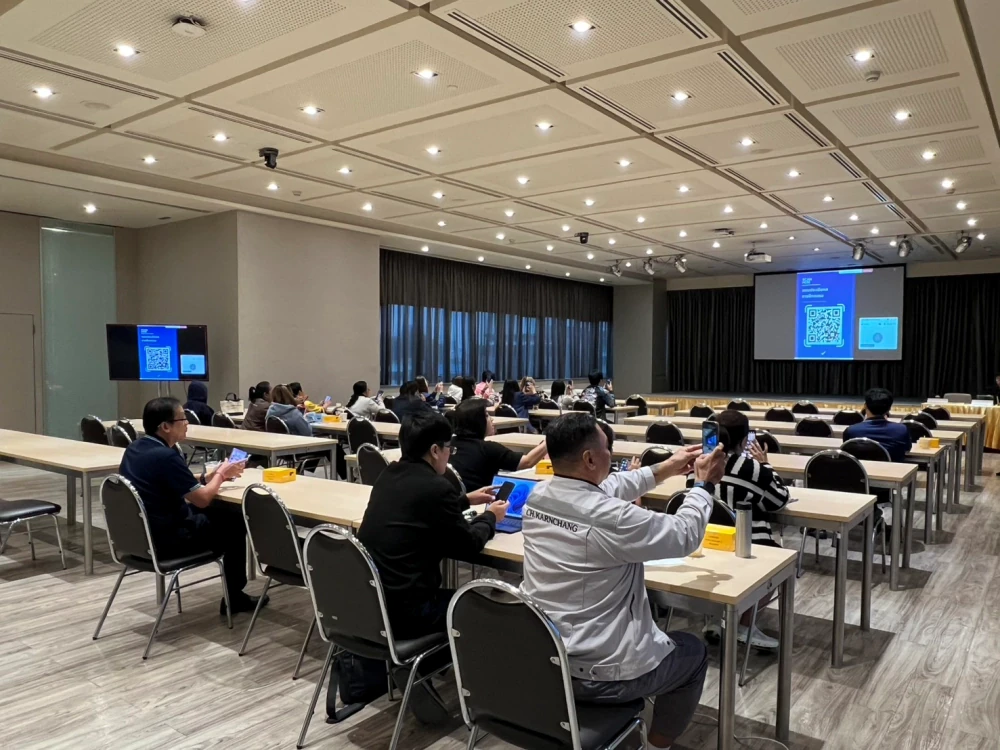
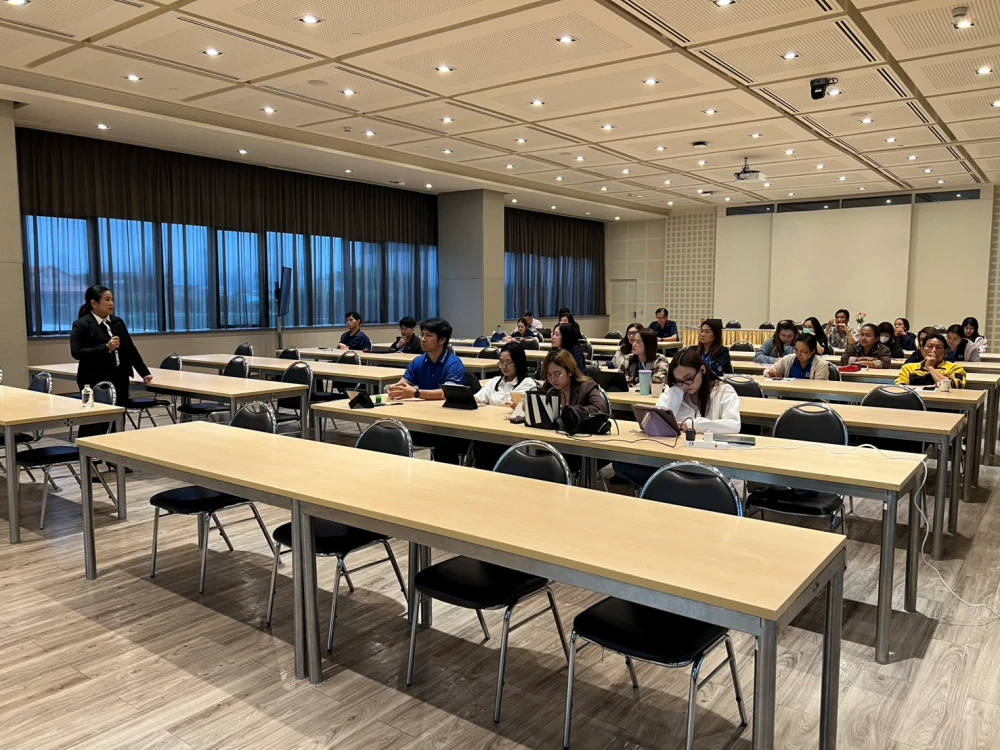
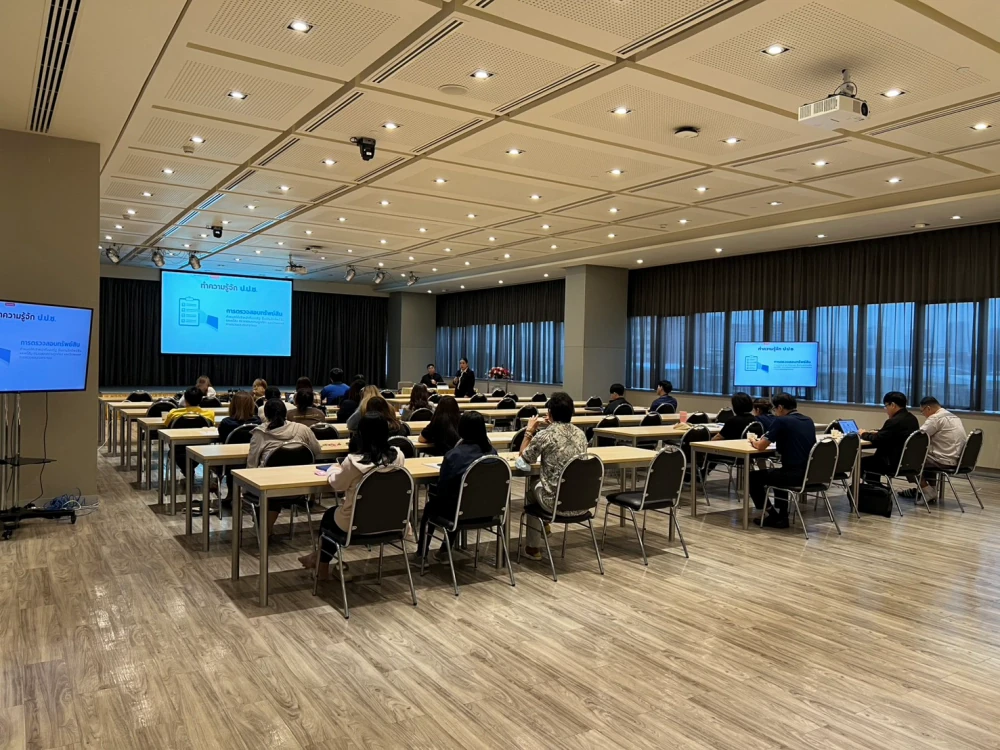
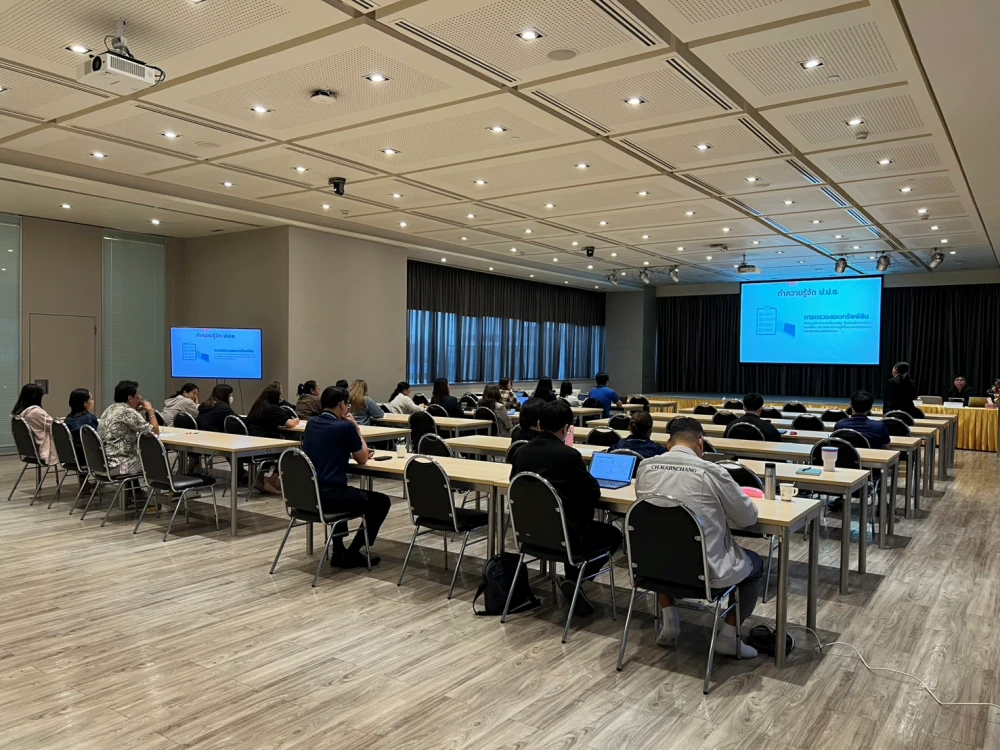
Lectures accompanied by practical case studies, conducted in a Hybrid Format (Onsite and Online via Microsoft Teams).
Target Participants
Executives, Managers, Supervisors, and Employees across all operational levels.
Date, Time, and Venue
- Date: Tuesday, September 15, 2026
- Time: 09:00 AM – 04:30 PM
- Venue (Onsite): Suphunnikar Room, 4th Floor, Viriyathavorn Building
- Venue (Online): Microsoft Teams
Number of Participants
- Onsite: 37 persons
- Online: 150 persons
Distinguished Speakers
- Khun Naphawan Cholpinitvisut – Director of Conflict of Interest Prevention Office, National Anti-Corruption Commission (NACC)
- Khun Sakolkiat Santinirandorn – Senior Anti-Corruption Prevention Officer
Performance Evaluation
Evaluated in accordance with the quality management system procedures.
Expected Outcomes
- Regulatory Compliance: Employees are able to perform their duties in strict compliance with corporate codes of conduct, internal guidelines, and applicable laws.
- Risk Mitigation: The organization can effectively mitigate risks and close operational loopholes, particularly within vendor selection and procurement procedures.
- Transparent Culture: Fosters a transparent work culture where management and employees actively participate as internal monitors to prevent corruption efficiently.
- Stakeholder Confidence: Enhances the organization's reputation in good corporate governance, minimizes adverse impacts, and reinforces trust among all stakeholders.