

Environment
Construction Material Management Project
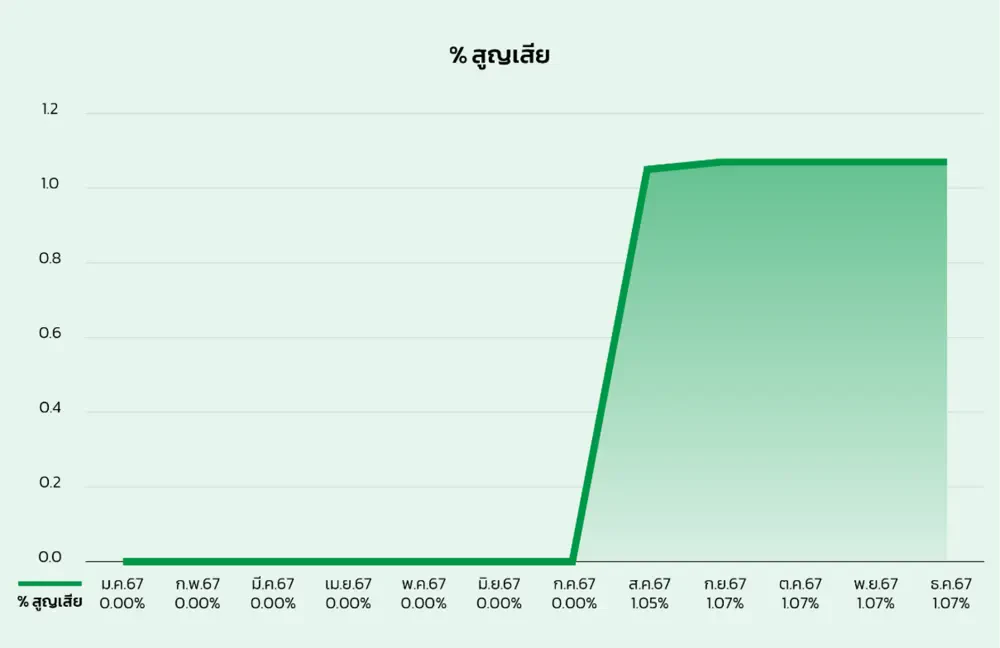
Managing construction materials is a critical process for ensuring quality and efficiency. By monitoring material usage, the company aims to maximize the quality of final outputs, minimize material waste, and reduce unnecessary construction debris. To achieve this, the company tracks material consumption and continuously establishes acceptable loss percentages for construction materials. This enables ongoing performance assessment and effective monthly planning.
| Material Usage list | 2023 | 2024 | 2025* |
|---|---|---|---|
| Project Progress (%) | 22.11% | 18.61% | 24.43% |
| Accumulated Project Progress (%) | 22.11% | 40.71% | 65.14% |
| - Diesel (liters) | 15,057,320.00 | 8,558,922.00 | 8,015,175.00 |
| - Rebar (tons) | 20,801.83 | 54,144.45 | 66,018.57 |
| - Structural Steel (tons) | 9,800.78 | 7,270.96 | 5,955.99 |
| - Rock Volume (tons) | 861,450.00 | 1,071,000.00 | 1,230,000.00 |
| - Concrete Volume (m³) | 369,107.00 | 510,000.00 | 739,234.00 |
| - Cement Volume (tons) | 73,821.00 | 102,000.00 | 147,846.00 |
| - Fly Ash Volume (tons) | 36,910.00 | 51,000.00 | 73,923.00 |
| - Cement Type I (tons) | 44,292.60 | 43,860.00 | 93,143.00 |
| - Cement Type GU (tons) | 29,528.40 | 58,140.00 | 54,703.00 |
| - LPG Gas (liters) | 1,800.00 | 2,920.00 | 4,056.00 |
| - Acetylene Gas (liters) | 38.00 | 40.00 | 38.00 |
Remark: * 2025 performance represents data from 1 January to 31 October 2025.
Moreover, the scrap metal generated from operations is recycled into valuable resources by selling it to buyers, who then supply it to companies or smelting plants for reprocessing and reuse.
