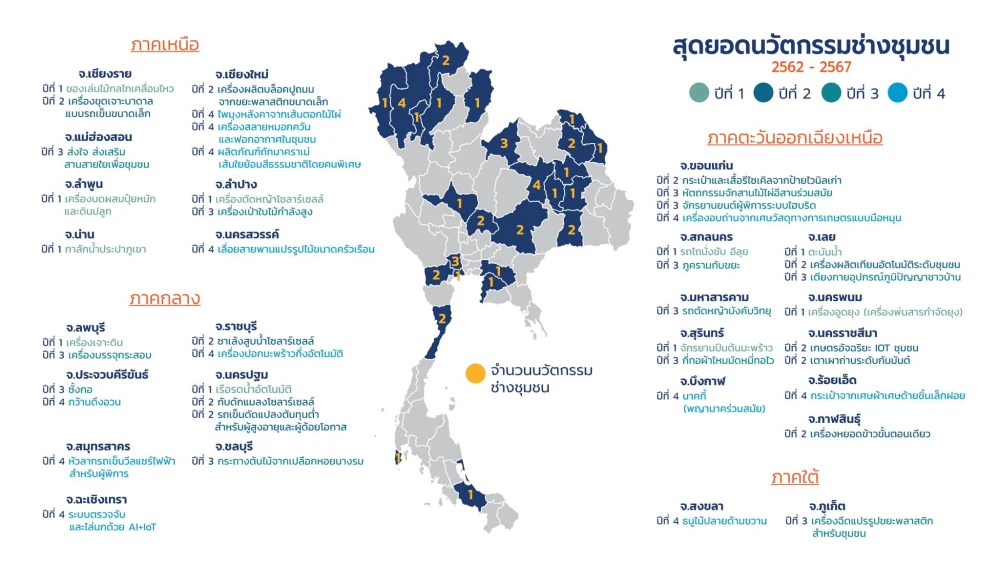
Community Craftsman Innovation Project
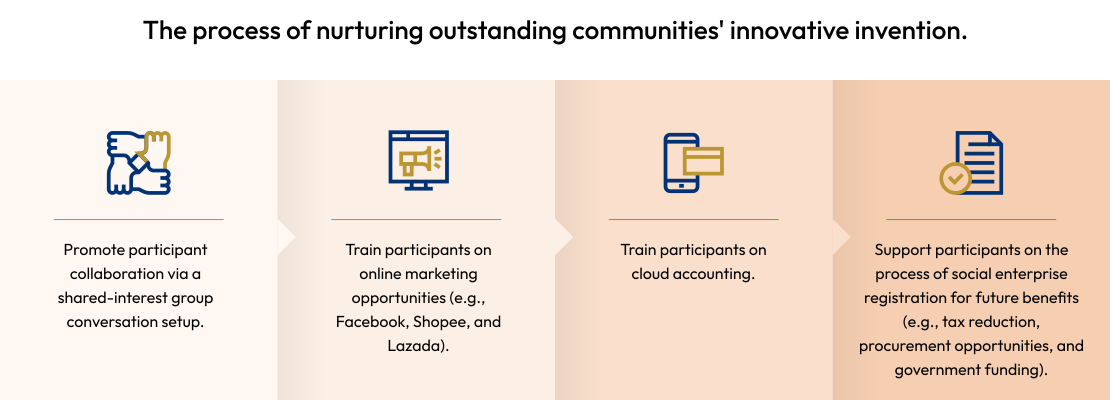
As part of its commitment to sustainable community development, CH. Karnchang has implemented the "Community Craftsman Innovation Promotion Project" for four consecutive years. This initiative aligns with corporate sustainability goals by fostering knowledge exchange between employees and local communities. Through this program, employees contribute their technical expertise to support community-driven innovation, enabling local artisans and technicians to develop solutions that enhance both their livelihoods and societal well-being. The initiative underscores the company’s dedication to social responsibility, skill development, and inclusive economic growth in alignment with the United Nations Sustainable Development Goals (SDGs) and Environmental, Social, and Governance (ESG) principles.
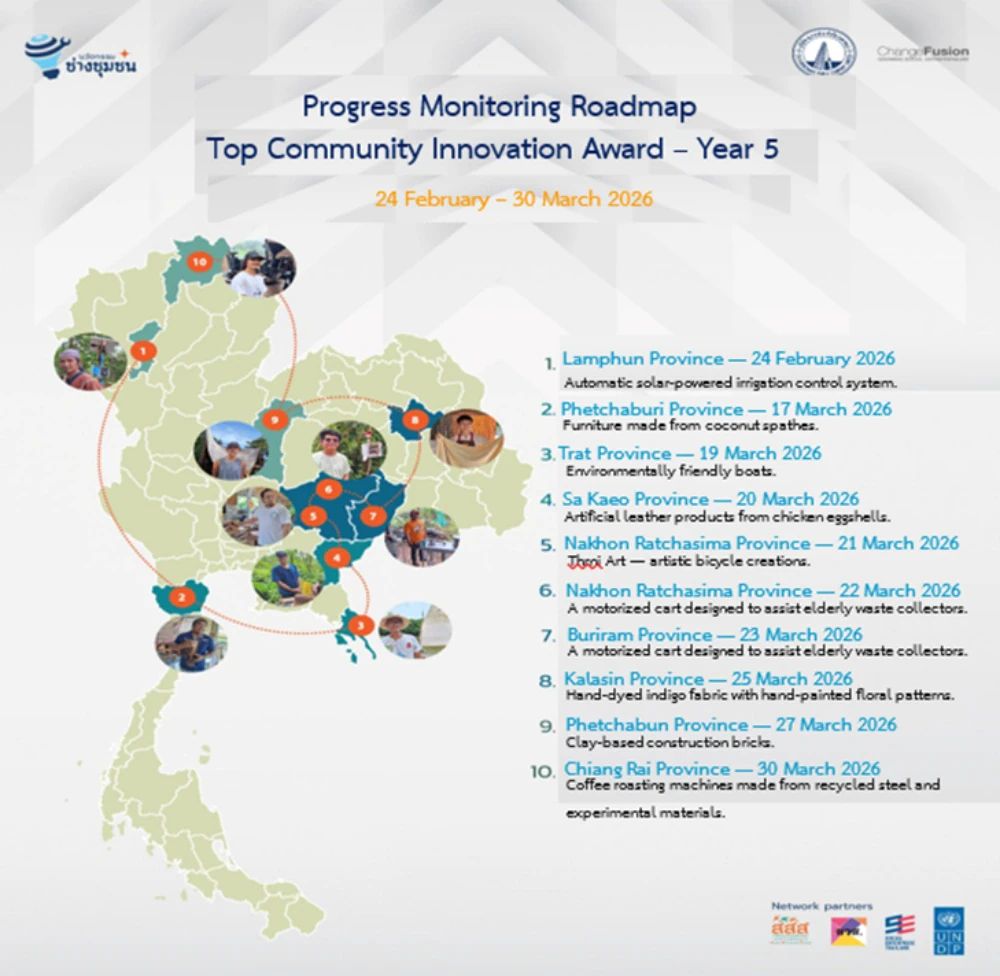
In 2025, a total of 141 technical teams from across Thailand participated in the national competition and successfully passed the qualification process. Among these, 10 teams were selected to receive the Preliminary Invention Development Award in recognition of their innovative contributions. Following this, the top three teams demonstrating the highest potential were honored with the 5th Annual Community Technician Innovation Award, recognizing their advancements in technological solutions for community development. In accordance with our commitment to fair and transparent evaluation, the top three winners will be formally announced on June 2026. We hereby provide the detailed information regarding the 10 finalist teams as part of our selection process:
1. A coffee roaster crafted from scrap metal and reclaimed materials from Chiang Rai Province
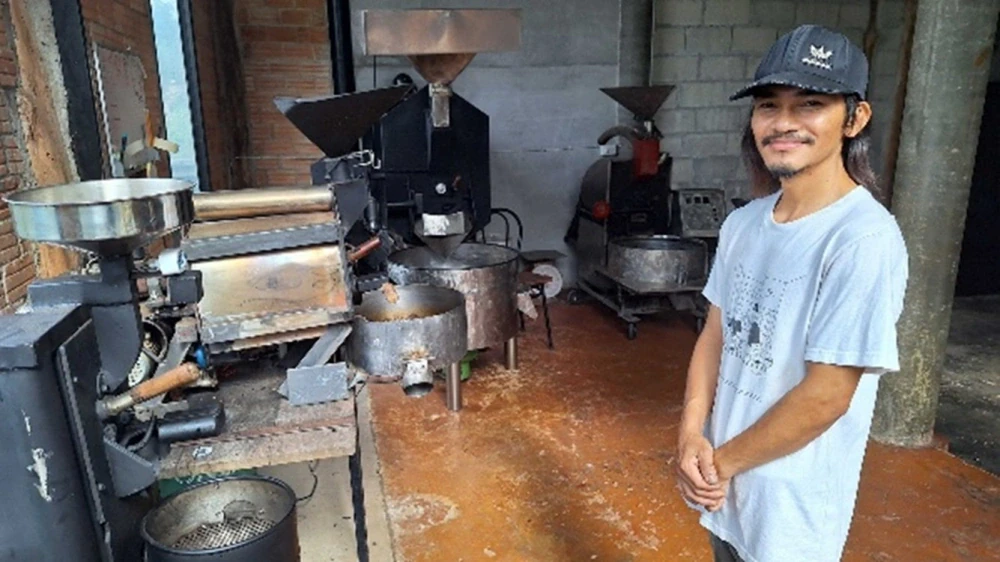
An innovation by the youth of Doi Mae Mon. This project emerged from the need to address high equipment costs, which often create barriers to entry for remote highland communities seeking professional-grade roasting technology.
2. Automated Smoke-Detection Sprinkler Firebreak System from Lamphun Province
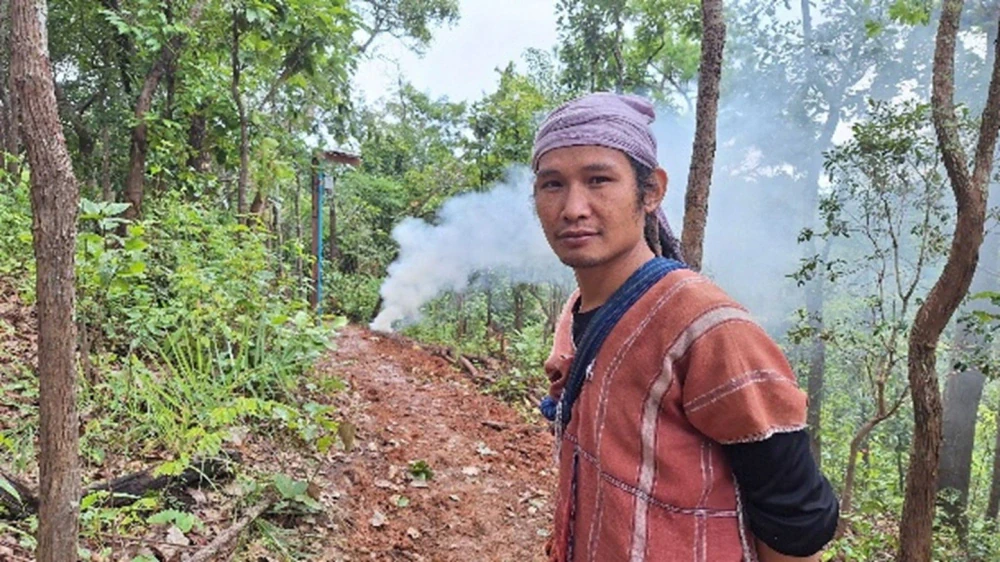
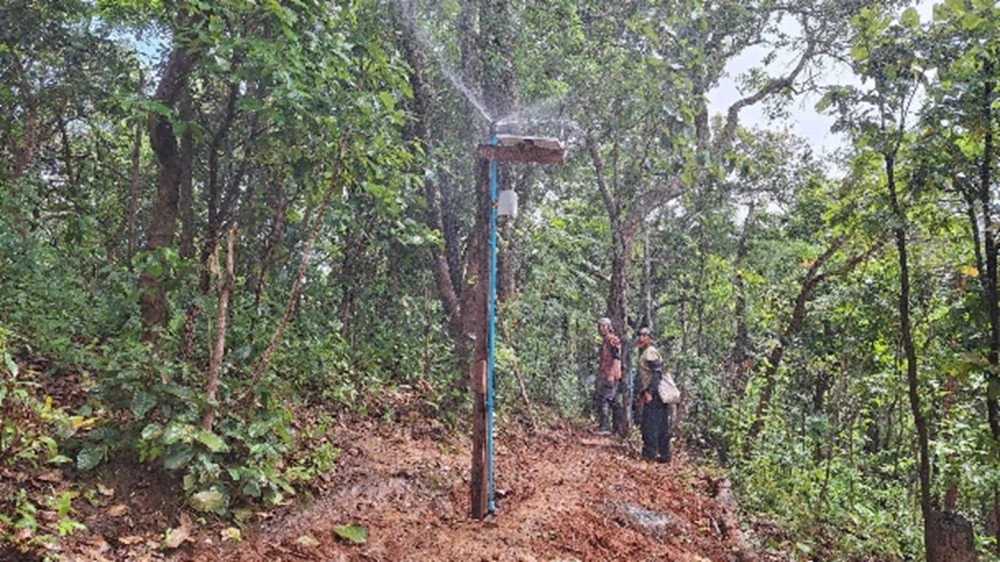
Initiated by the Doi Chang Pa Pae Youth Seedlings Group, this project protects over 20,000 rai of fertile forest from increasingly severe annual wildfires and the resulting PM2.5 crisis. To mitigate these environmental and health risks, the group developed an automated firebreak system equipped with smoke sensors that trigger immediate sprinkler activation. This innovative solution ensures efficient water usage by operating only when smoke is detected. Furthermore, the system’s modular design allows for easy maintenance and seasonal reuse, embodying a sustainable approach to long-term forest conservation.
3. Tad Leb Sang Baan (Nail-Trimming for Home Building): Innovation in Sustainable Bamboo Construction from Phetchabun Province
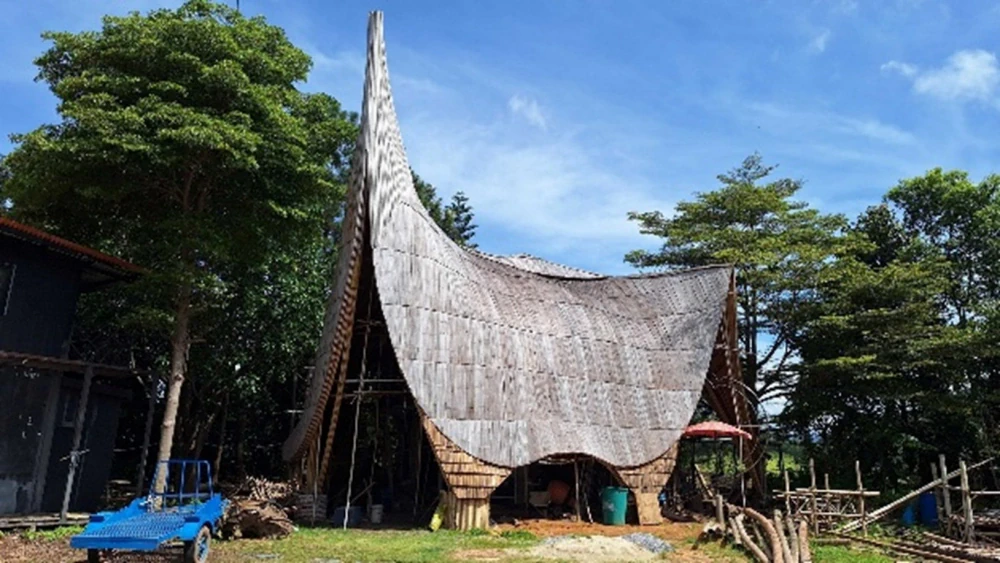
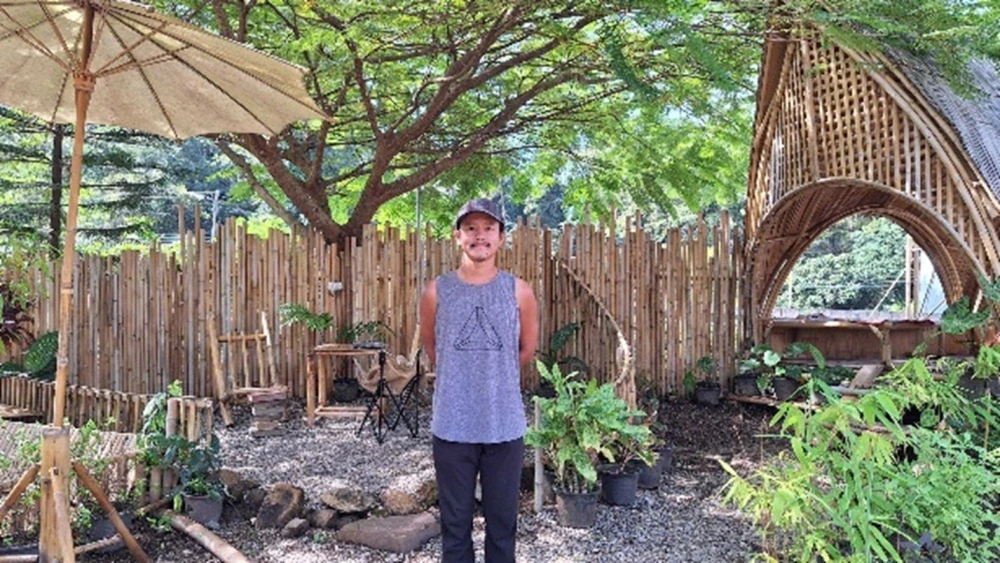
This initiative addresses the economic challenges of local bamboo resources, which currently yield suboptimal returns despite being processed into furniture. By leveraging the traditional craftsmanship of the Hmong community—renowned for their long-standing expertise in bamboo structures—this project integrates ancestral wisdom with over six years of modern construction experience. The result is a high-value architectural innovation that optimizes local materials, enhances community income, and promotes sustainable building practices.
4. Furniture from Toddy Palm Petioles and Sheaths Initiated by the Kan Tan Vintage Community Enterprise in Phetchaburi Province
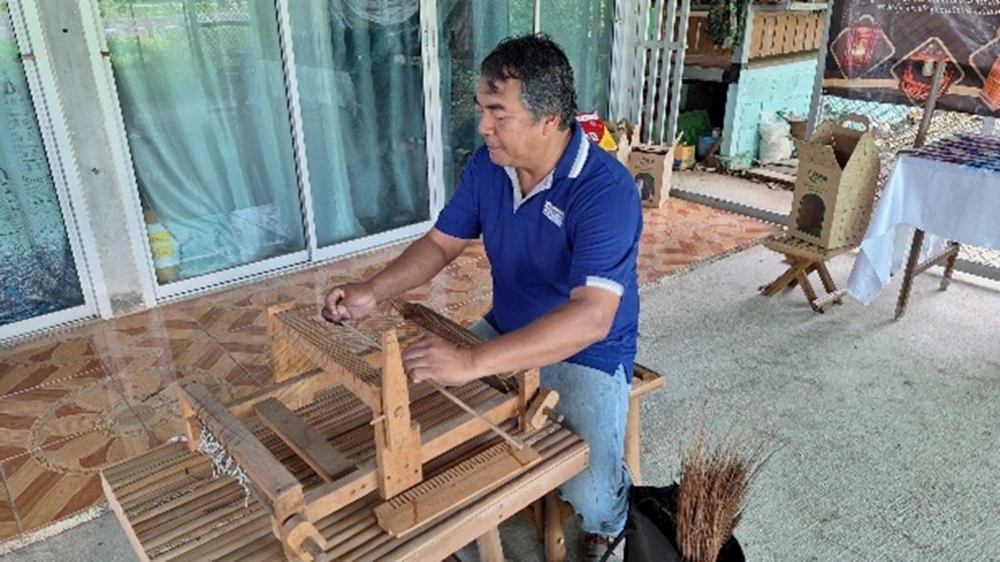
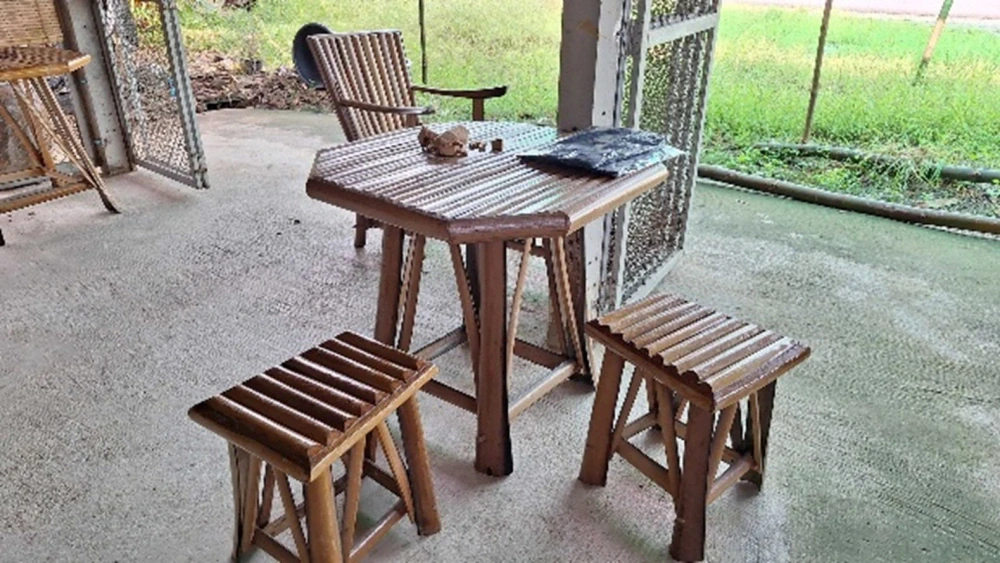
This project addresses the surplus of agricultural waste from the region’s population of over 400,000 toddy palm trees. To mitigate the environmental impact of discarding or burning palm debris, the community has developed an innovative upcycling process to transform these materials into high-value products.
The palm petioles (stalks) are processed into furniture and home decor, such as lamps, tables, and lounge chairs. Simultaneously, the palm sheaths are fibrously extracted for weaving into mats or crafted into ceiling brooms. To achieve a Zero-Waste Manufacturing process, the residual sawdust is compressed into biodegradable plant pots and chair cushions. This comprehensive approach not only maximizes resource efficiency but also fosters Social Impact by generating sustainable income and local employment opportunities.
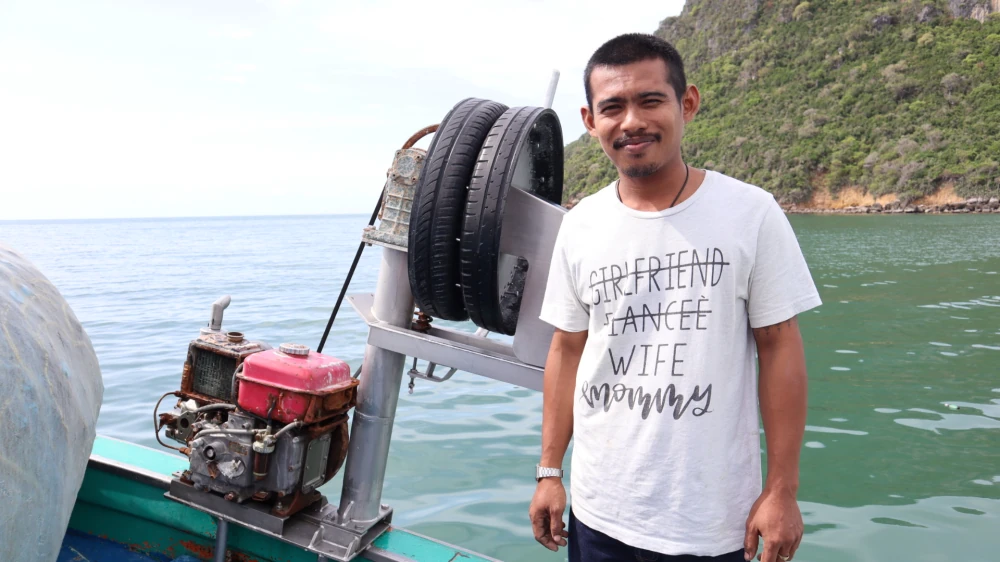
5. Innovative Conversion of Fishing Vessels into Eco-Friendly Sailing Crafts from Trat Province
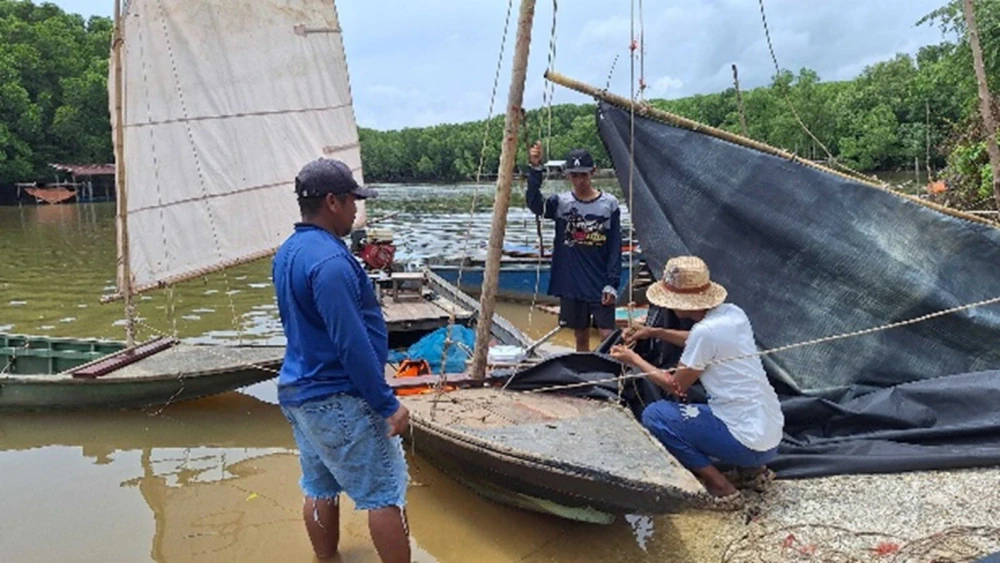
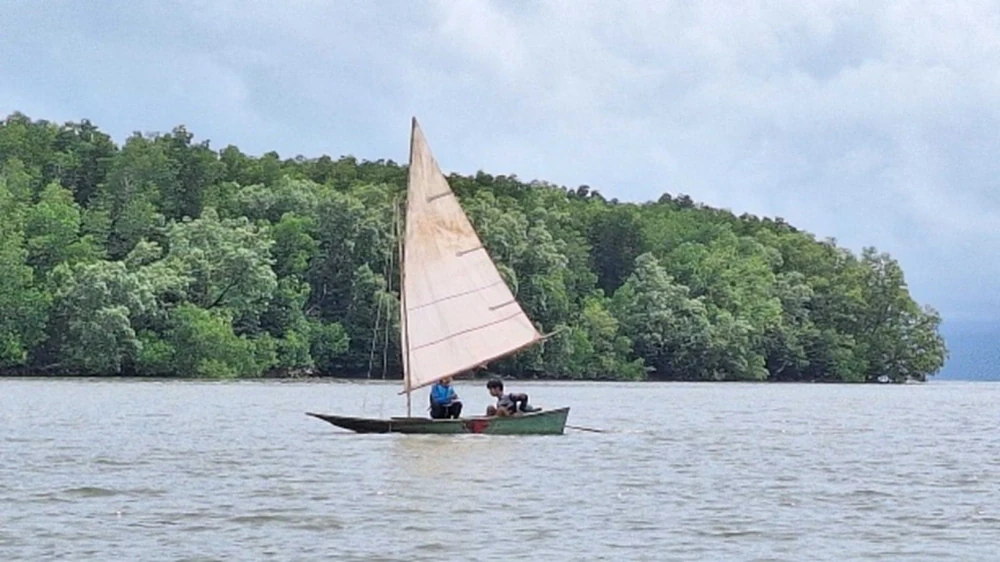
Initiated by the Trat Sailing Club, this project leverages specialized expertise to design and adapt sailing equipment for traditional fishing vessels. The innovation features a dual-propulsion system, allowing motorized boats to utilize wind power through custom-sized sails. The modification focuses on a modular and simplified design, requiring adjustments to only three key components: the mast positioning, the directional keel, and the manual rudder. By utilizing locally sourced materials, the cost of the sail is maintained below 2,000 THB, ensuring economic accessibility.
This initiative not only significantly reduces fuel consumption and operational costs for local fishers but also provides a low-carbon alternative that minimizes environmental impact. Ultimately, this project serves as a sustainable model for preserving the livelihoods of artisanal fishing communities in Trat Province.
6. Cocoa Husk Bio-Leather: A Sustainable Innovation from Sa Kaeo Province
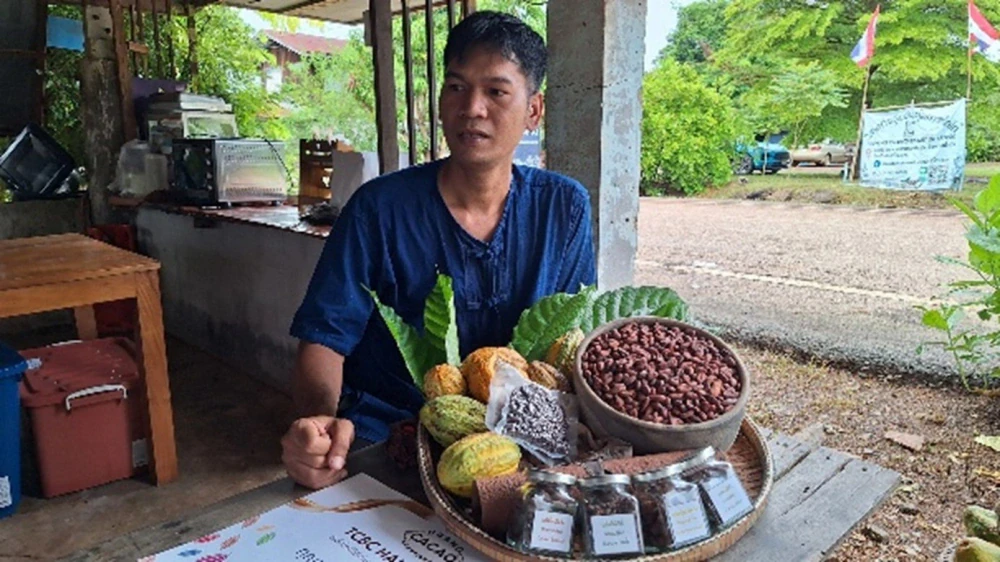
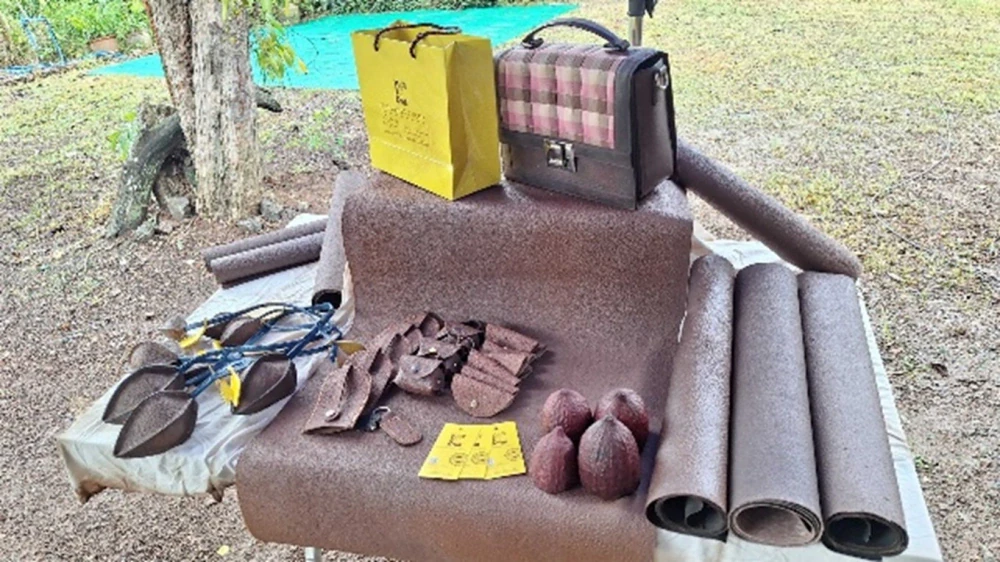
This project addresses resource inefficiency within the cocoa industry. Typically, from every 1,000 kg of fresh cocoa, only 10% is processed into cocoa beans, while over 70% remains as cocoa husks. Recognizing that these husks are often underutilized as low-value fertilizer, the enterprise has pioneered an eco-friendly bio-leather to maximize resource productivity.
This innovative material is composed of 60% cocoa husk fibers and enhanced with mangosteen peel extracts for natural anti-fungal properties, ensuring the product is safe for consumers and free from harmful chemicals. The resulting bio-leather is versatile, used for various leather goods such as key pouches and accessories, and is available in 80×120 cm sheets for commercial partners. With a lifespan of 3–5 years, the material is fully biodegradable, offering a circular solution that reduces waste and promotes sustainable consumption and production.
7. Wild elephant Early Warning System from Nakhon Ratchasima Province
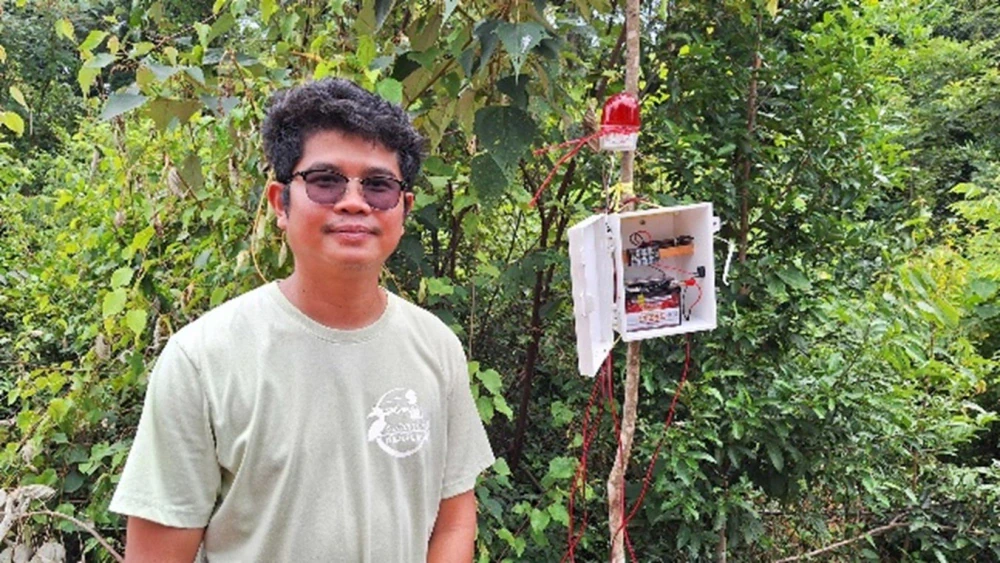
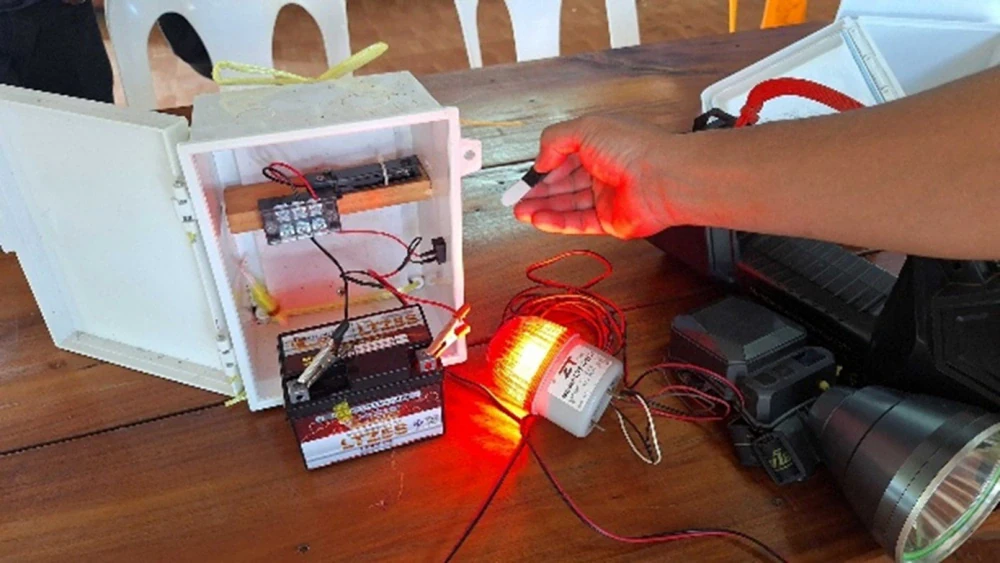
This innovation addresses the long-standing Human-Wildlife Conflict (HWC) between local communities and wild elephants near Thap Lan National Park. With a shared boundary exceeding 20 kilometers, the area has consistently faced significant agricultural damage, as well as injuries and fatalities among residents.
To mitigate these social and economic risks, the system provides real-time monitoring and alerts, enabling patrol teams to respond promptly and drive elephants back into the protected forest area. By facilitating a timely and efficient intervention, this technology not only minimizes crop loss but also fosters a sustainable co-existence between the community and the natural ecosystem, effectively reducing tension and promoting long-term safety.
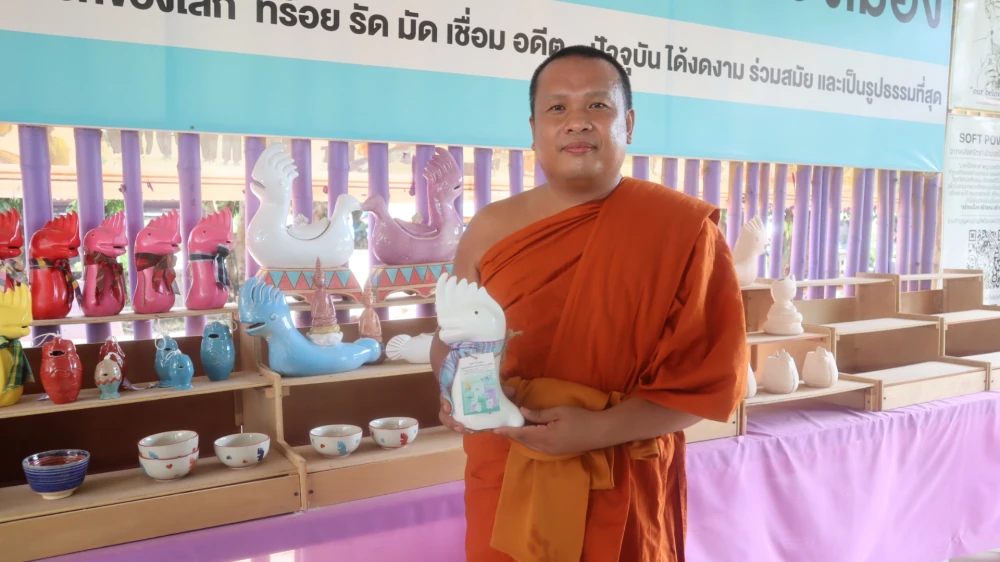
8. Thrni Art from Nakhon Ratchasima Province
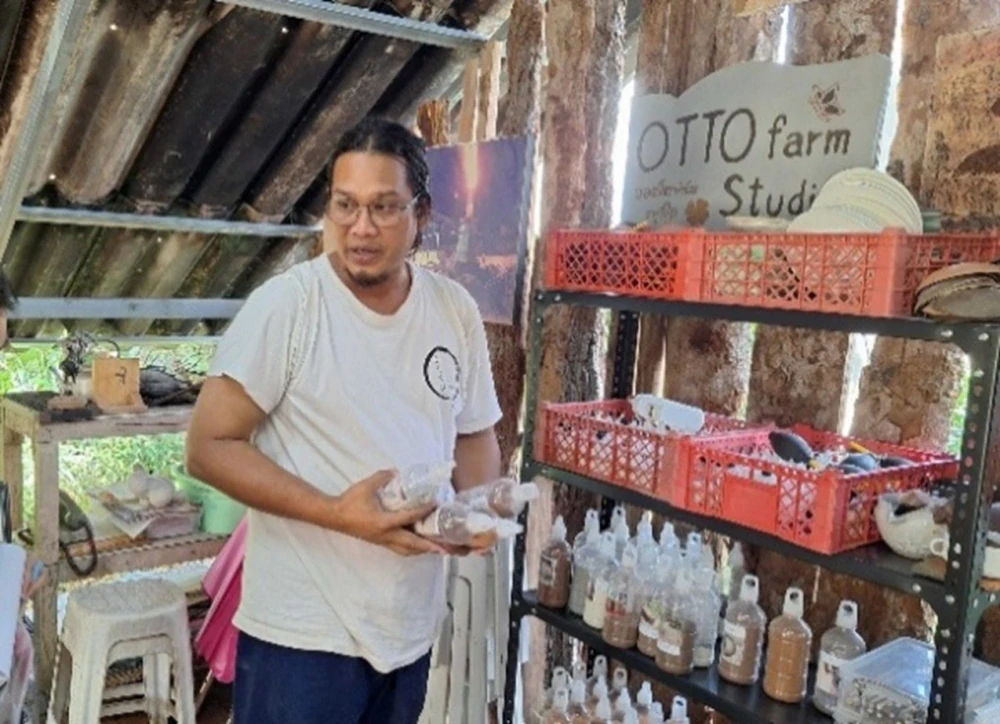
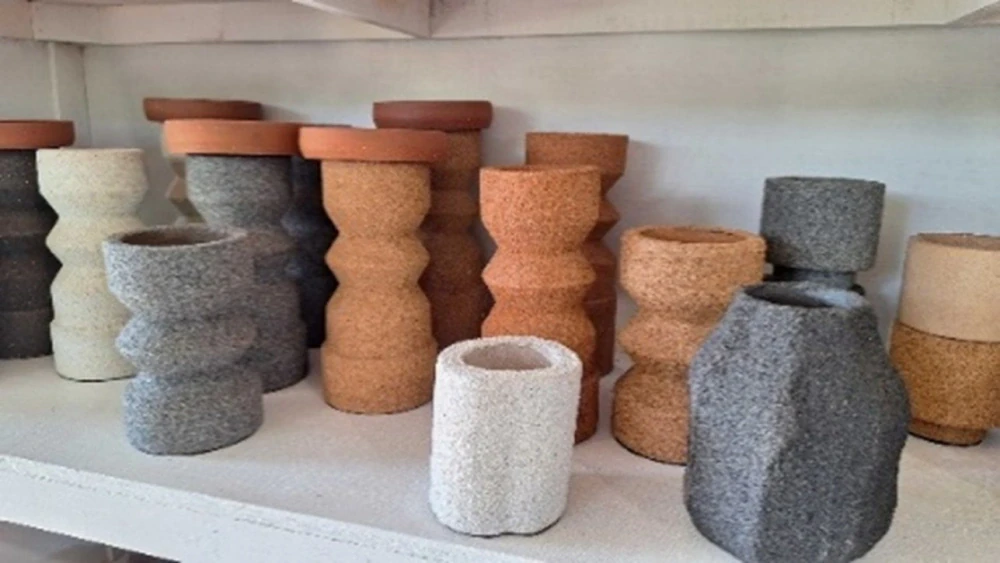
Thrni Art is a social enterprise born from the vision to create innovative handicrafts while addressing the environmental challenge of local waste. The initiative upcycles vast quantities of discarded materials from the Dan Kwien sub-district—including concrete debris, brick fragments, ceramic shards, and broken pottery—which are typically destined for landfills.
This innovation represents a creative solution to construction and pottery waste management. By repurposing these materials, Thrni Art crafts unique products that serve as a medium for storytelling, reflecting the rich heritage and natural hues of the earth. The project exemplifies a commitment to circular economy principles, reducing environmental impact while preserving local craftsmanship and adding economic value to the community.
9. Residual Charcoal Gas Stove from Buriram Province
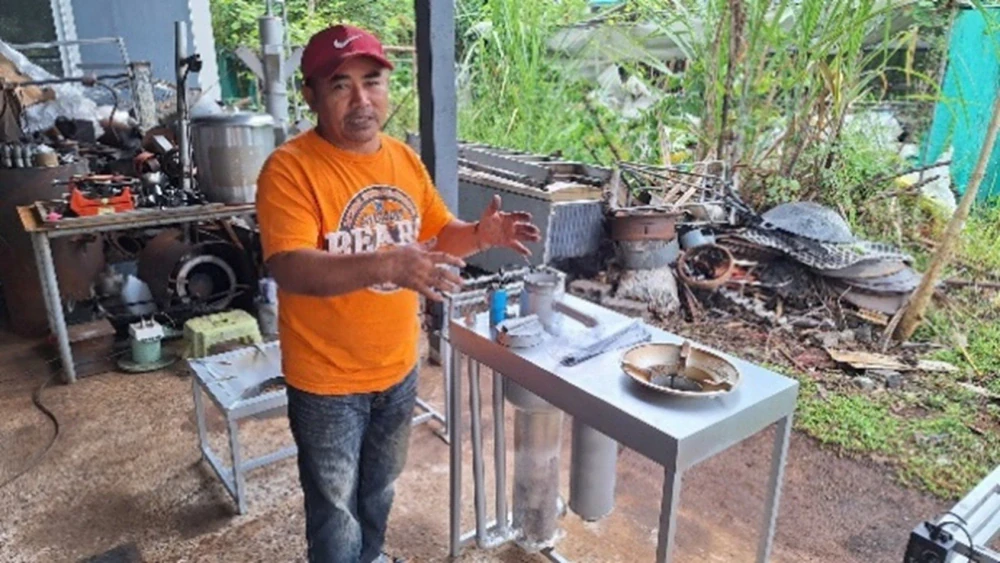
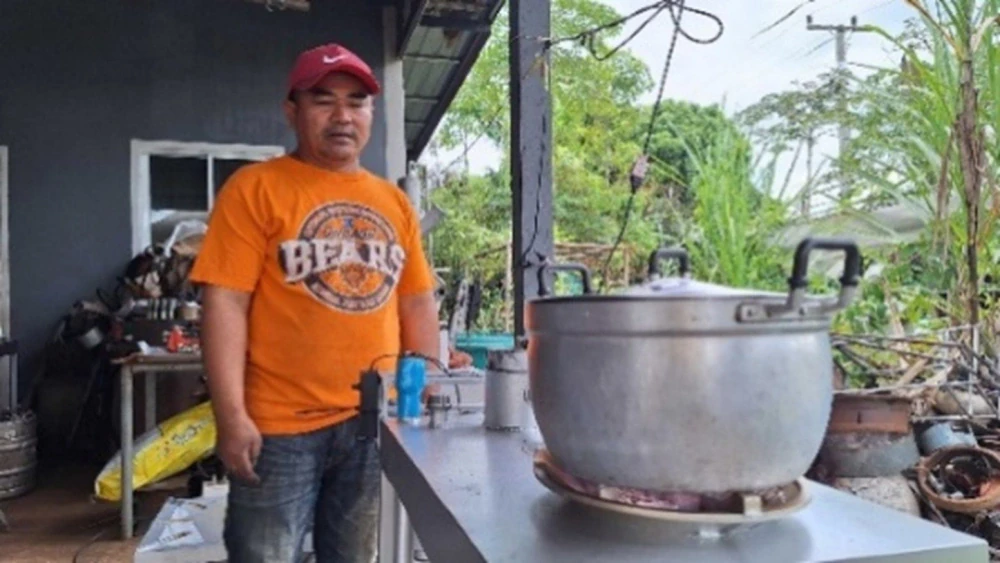
This innovation addresses the challenge of charcoal waste management in rural communities. In households where wood charcoal remains the primary fuel source, a preference for medium-to-large charcoal pieces often leads to the accumulation of significant amounts of undersized charcoal residues—particularly in homes equipped with their own kilns.
This initiative not only promotes effective community waste management but also reduces household energy expenditures and maximizes resource efficiency. By transforming discarded by-products into a viable energy source, this innovation serves as an accessible renewable energy alternative, enhancing the economic resilience and environmental sustainability of rural households.
10. Hand-Embroidered Khai Nun Dyed Textiles : A Sustainable Craft from Kalasin Province
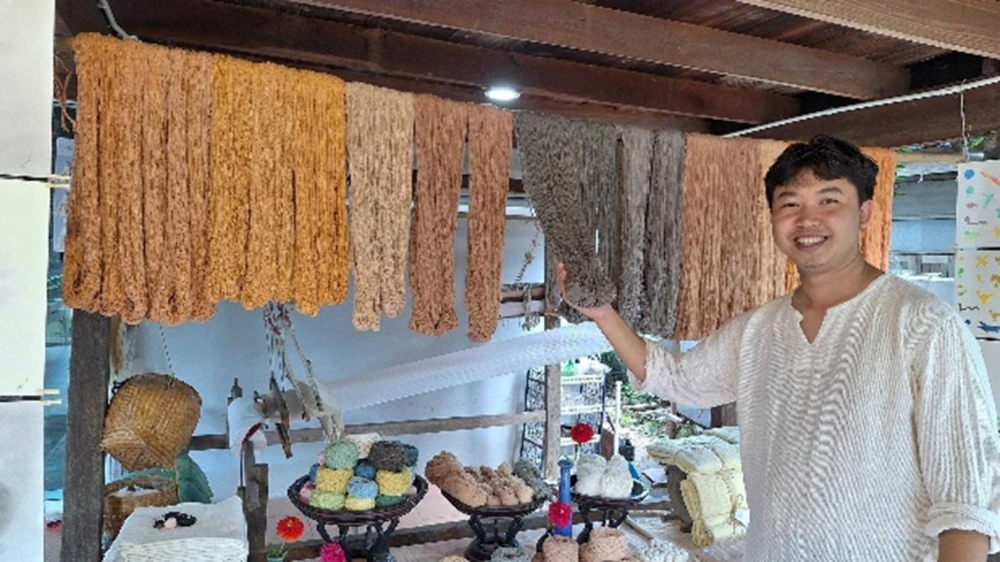
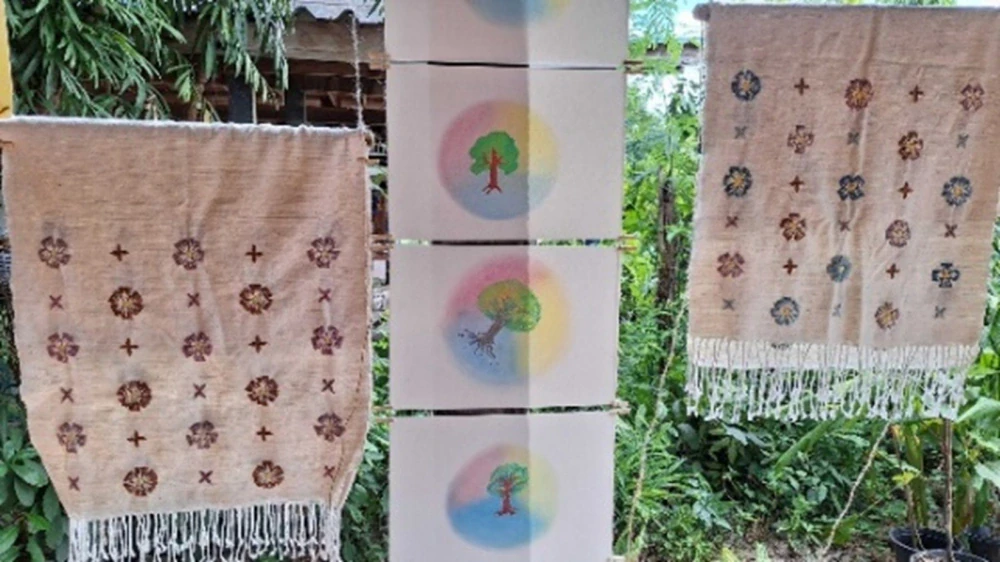
The Khai Nun tree is an abundant local species in the community and the namesake of the village. Traditionally utilized for soil erosion control and medicinal purposes, it previously held no significant economic value.
In a strategic effort to enhance the economic value of local biodiversity, the community pioneered the extraction of natural pigments from the Khai Nun bark—a first for this species. This process yields a sophisticated palette of earth-toned gradients, which are then applied to a range of premium lifestyle products, including scarves, tote bags, and blankets. Each piece is further elevated by intricate hand-embroidery, designed to translate the collective experiences and cultural narratives of the community onto the fabric.
Supporting community and social projects not only improves the quality of life for local populations but also fosters community engagement, which helps mitigate conflicts or disputes between the company and local stakeholders. This leads to smoother project implementation, lowering the costs associated with dispute resolution. Furthermore, strong community relationships contribute to securing a "Social License to Operate," reducing the risk of project opposition. The company (CH. Karnchang) also gains tangible benefits of community investments from various aspects of its embedded CSR initiatives. Engaging in CSR activities not only delivers value to the community but also helps the company reduce costs and sustainably enhance its long-term economic efficiency, as outlined below:
- Optimize corporate investment in workforce training and capacity-building initiatives
Employee engagement in corporate initiatives, including consultancy, knowledge transfer, and community-driven activities, fosters the development of communication skills, public speaking, and teamwork. By integrating these initiatives, the company can achieve cost efficiencies in employee training, with projected annual savings of 5,000–10,000 THB per employee. This aligns with sustainable business practices by leveraging internal expertise for capacity building and workforce development.
- Foster practical experience and enhance competencies in project management
Participation in this program provides employees with hands-on experience in project management and problem-solving, enhancing their capacity to address challenges in real-world scenarios. By fostering internal skill development, the program minimizes the necessity for external training investments or consultancy services, thereby optimizing resource allocation and promoting sustainable workforce development.
- Strengthen employee engagement to promote organizational sustainability and productivity
Corporate engagement in community-focused initiatives strengthens employee motivation and retention, leading to reduced recruitment and onboarding costs. This aligns with sustainable business practices that promote long-term workforce stability and corporate social responsibility. On average, organizations can achieve cost savings of approximately 50,000 baht per retained employee in recruitment and training expenses, contributing to operational efficiency and sustainable human capital management.
- Minimize financial burdens related to community conflict resolution, ensuring social cohesion and responsible corporate governance
The integration of Corporate Social Responsibility (CSR) initiatives into operational processes enhances community engagement and strengthens stakeholder relationships. This proactive approach mitigates the risk of community opposition or project delays, contributing to sustainable project implementation. Additionally, it can lead to cost savings of up to 500,000 baht per project in conflict management expenditures, thereby improving overall operational efficiency and social impact.
- Promoting the Development of Business Innovations for Society and the Environment
CH. Karnchang has sent employee representatives to participate in the “Community Craftsman Innovation Promotion Project,” which provides vocational training and creates opportunities for exchanging ideas with local technicians involved in the program. This initiative serves as another channel through which the company fosters creativity, driving the development of innovations that benefit both society and the environment.
Performance Summary 2025-2026